


 Continue with Google
 >
>
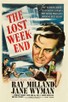
Director Billy Wilder's unflinchingly honest look at the effects of alcoholism may have had some of its impact blunted by time, but it remains a powerful and remarkably prescient film.
Read Critics Reviews
More
Certified fresh picks
New TV Tonight
-
The Gold: Season 2
100% -
Phony: Season 1
86% -
The Terminal List: Season 2
-- -
Nobody Wants This: Season 3
-- -
YAGA: Season 1
-- -
Lupin: Season 4
-- -
Cyberpunk: Edgerunners: Season 2
-- -
Newlyweds: Season 1
--
Most Popular TV on RT
-
Below: Season 1
87% -
Crystal Lake: Season 1
76% -
East of Eden: Season 1
86% -
VisionQuest: Season 1
90% -
The Diplomat: Season 4
100% -
Carrie: Season 1
85% -
The Final Problem: Season 1
100% -
Time: Season 3
100% -
Cyberpunk: Edgerunners: Season 2
--
More
Certified fresh pick
Columns
Guides
-
Verified Hot Movies of 2026
Link to Verified Hot Movies of 2026 -
150 Movies Certified Fresh & Verified Hot
Link to 150 Movies Certified Fresh & Verified Hot
Hubs
-
Awards Tour
Link to Awards Tour -
What to Watch: In Theaters and On Streaming
Link to What to Watch: In Theaters and On Streaming
RT News
-
Weekend Box Office: Street Fighter Delivers a Knockout
Link to Weekend Box Office: Street Fighter Delivers a Knockout -
How Street Fighter (1994) Created One of the Strangest Cult Fighting Game Characters
Link to How Street Fighter (1994) Created One of the Strangest Cult Fighting Game Characters
The Lost Weekend
Where to Watch
The Lost Weekend
Rent The Lost Weekend on Fandango, or buy it on Fandango.
What to Know
Critics Reviews
Audience Reviews
My Rating
Cast & Crew
More Like This
Photos
The Lost Weekend
Movie Info
-
Director -
Billy Wilder -
Producer -
Charles Brackett -
Screenwriter -
Charles R. Jackson , Charles Brackett , Billy Wilder -
Distributor -
Paramount Pictures -
Production Co -
Paramount Pictures -
Genre -
Drama -
Original Language -
English -
Release Date (Theaters) -
Nov 16, 1945, Wide -
Release Date (Streaming) -
Mar 29, 2016 -
Runtime -
1h 41m -
Sound Mix -
Mono -
Aspect Ratio -
Flat (1.37:1)