


 Continue with Google
 >
>
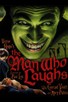
A meeting of brilliant creative minds, The Man Who Laughs serves as a stellar showcase for the talents of director Paul Leni and star Conrad Veidt.
Read Critics Reviews
More
Certified fresh picks
New TV Tonight
-
X-Men '97: Season 2
100% -
Elle: Season 1
40% -
Silo: Season 3
100% -
Adventure Time: Side Quests: Season 1
100% -
Survival of the Thickest: Season 3
-- -
Worst Neighbor Ever: Season 1
-- -
Human Vapor: Season 1
-- -
Super Subbu: Season 1
-- -
Christmas at Sea: Season 2
--
Most Popular TV on RT
-
I Will Find You: Season 1
59% -
Widow's Bay: Season 1
98% -
Sugar: Season 2
97% -
The Bear: Season 5
98% -
Avatar: The Last Airbender: Season 2
65% -
From: Season 4
96% -
Cape Fear: Season 1
76% -
House of the Dragon: Season 3
91% -
The Boroughs: Season 1
96% -
The Agency: Season 2
91%
More
Certified fresh pick
Columns
Guides
-
Jackass Movies Ranked by Tomatometer
Link to Jackass Movies Ranked by Tomatometer -
Best New Horror Movies of 2026
Link to Best New Horror Movies of 2026
Hubs
-
Awards Tour
Link to Awards Tour -
What to Watch: In Theaters and On Streaming
Link to What to Watch: In Theaters and On Streaming
RT News
-
Fandango’s Big Ticket Podcast: Episode Guide
Link to Fandango’s Big Ticket Podcast: Episode Guide -
Weekend Box Office: Toy Story 5 Holds off Supergirl
Link to Weekend Box Office: Toy Story 5 Holds off Supergirl
The Man Who Laughs
Where to Watch
The Man Who Laughs
Rent The Man Who Laughs on Fandango at Home, or buy it on Fandango at Home.
What to Know
Critics Reviews
Audience Reviews
My Rating
Cast & Crew
More Like This
Photos
The Man Who Laughs
Movie Info
-
Director -
Paul Leni -
Screenwriter -
J. Grubb Alexander , J. Grubb Alexander , Victor Hugo -
Distributor -
Sunrise Silents , Universal Pictures -
Production Co -
Universal Pictures -
Genre -
Drama -
Original Language -
English -
Release Date (Theaters) -
Nov 4, 1928, Wide -
Release Date (DVD) -
Mar 22, 2007 -
Runtime -
2h 4m -
Sound Mix -
Mono
